WHO?
Founded in 1938 by William Oversby, who began by running a farm and offering milk to the local community, this family business has thrived through several generations. When John and David Oversby took over, they expanded the dairy’s reach beyond just the Yorkshire area, growing their delivery service to a much wider community.
Now in the capable hands of David’s son, Mike, Dales Dairies continues to grow from strength to strength.
In 2015 they purchased a distribution centre in Keighley and in 2023 they opened a brand new bottling and distribution facility on the site. This means they can now fill over a whopping 100 million glass bottles a year. That’s a lot of fresh milk!
With their deep-rooted tradition and forward-thinking sustainability efforts, Dales Dairies continues to make a positive splash in the industry. It’s clear they’re not just serving up fresh and delicious milk – they’re making a lasting difference for both their customers and the environment.
WHERE IS DALES DAIRIES?
Grassington, a picturesque market town in North Yorkshire, sits at the heart of the Yorkshire Dales, offering stunning countryside views and a rich sense of history. Known for its charming stone cottages and lively community, it is home to Dales Dairies, a well-regarded local dairy supplying fresh milk and dairy products across the region. The town also hosts the annual Grassington Festival, celebrating music and arts, and serves as a gateway to scenic walks along the River Wharfe. With its cozy pubs, independent shops, and strong farming heritage, Grassington perfectly blends rural charm with vibrant local culture.


WHAT DOES DALES DAIRIES SUPPLY?
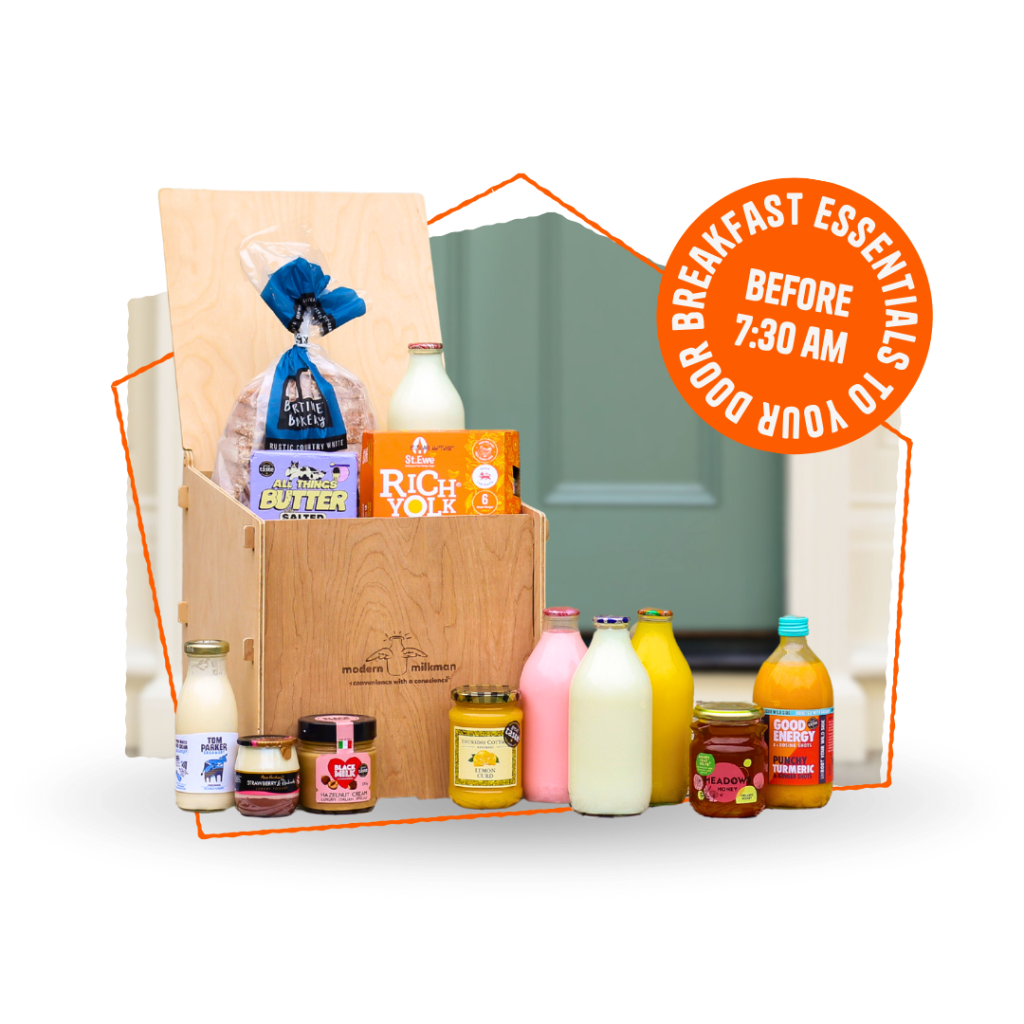
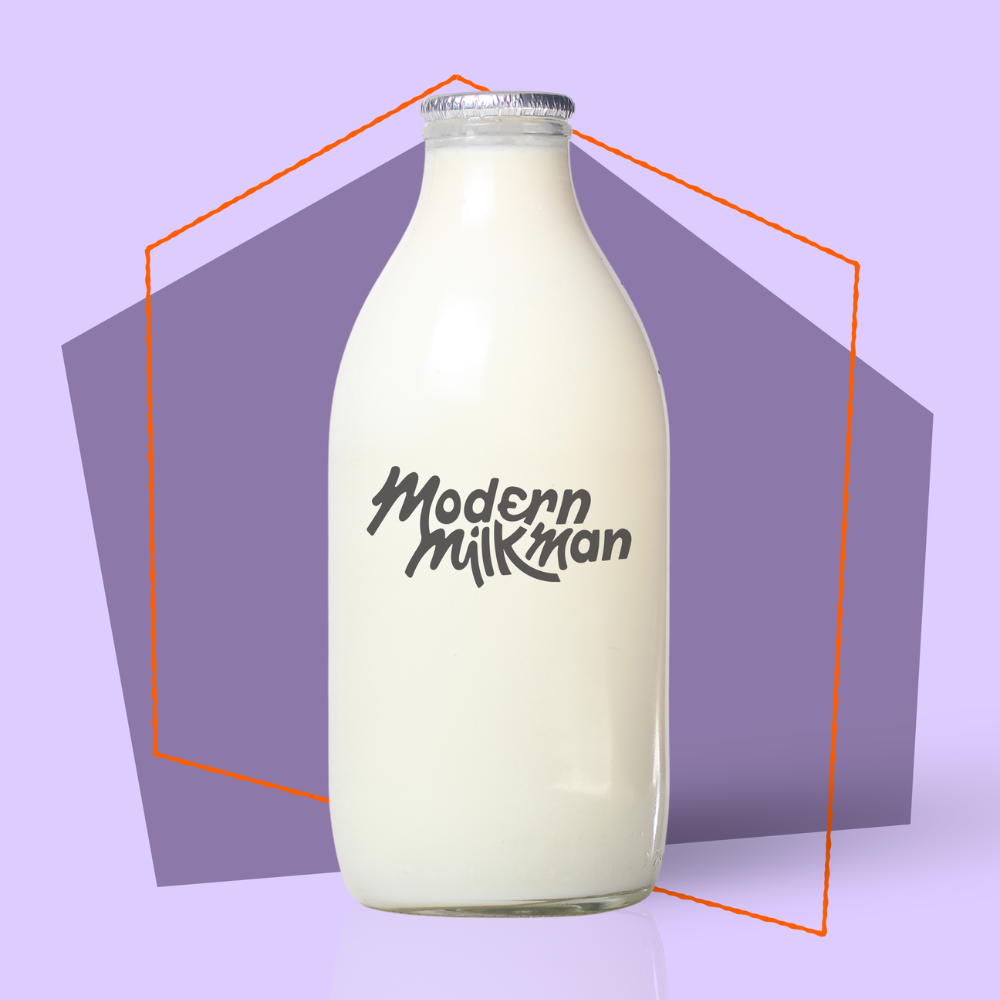
Dales Dairies supplies the bulk of our milk products in traditional glass bottles, ensuring fresh, high-quality dairy delivered straight to your doorstep. They also provide delicious salted and unsalted butter, made fresh from the farm, preserving the rich, creamy taste of locally sourced milk.


Q&A TIME WITH MIKE
How long has the farm been run by your family?
We are a fourth-generation tenanted farm nestled in the heart of the Yorkshire Dales National Park. Our family has been farming here since 1938, and as the fourth generation, I’m proud to continue our legacy.
How many cows are on the farm?
Our farm is home to approximately 280 Holstein Friesian cows and operates entirely on grassland. Beyond our dairy herd, we manage around 200 acres of land and woodland designated as a Site of Special Scientific Interest (SSSI). Through government-supported environmental stewardship programs, we farm in a way that promotes biodiversity, encourages habitat regeneration, and supports a rich variety of plant life.
Do you have any other animals that aren’t cows?
Yes, while we don’t personally farm sheep, we work with local sheep farmers who graze their flocks on our land. Mixed grazing is beneficial for the pasture, helping to maintain soil health and promote diverse plant growth.
I noticed you have horses on the farm?
Yes, we have one horse. Horse riding and show jumping have been a part of my family for at least two generations. It probably stopped with me—though with four daughters, that could change! But for now, it’s just cows, sheep, and one horse on the farm.
Would you expect one of your daughters to take over eventually?
Honestly, I don’t know. It would be nice, but who knows what the future holds!
How many other farms do you work with and where are they?
We work with 23 farms, including our own, with most of them based in Yorkshire. We do have three in Lancashire—but we don’t talk about them! Jokes aside, 95% of our milk comes from within 30 miles of our dairy, with the rest coming from our Lancashire farms.
Tell us about Red Tractor Certification and how you hold your dairies accountable for quality…
All our farms are Red Tractor Assured, which means they meet rigorous standards for food safety, animal welfare, and environmental protection. To ensure quality, we appoint a third-party inspector to visit each farm annually. They assess everything—from document control and hygiene to animal welfare and farming processes—making sure we consistently produce high-quality milk.
When you talk about high-quality milk, what do you check for?
Milk quality is closely monitored to ensure it meets strict hygiene standards. Since milk is a live product, it naturally contains bacteria, but we carefully control levels to maintain quality. The better the milk is at the farm level, the better it is at the end.
We test our farmers’ milk for Bactoscan and cell count, which directly impact both quality and payment.
- Cell count measures infection levels, particularly mastitis. Poor hygiene increases the risk of mastitis, leading to higher cell counts and lower-quality milk.
- Bactoscan is an indicator of overall hygiene. It reflects cleanliness in areas like cow bedding, the milking process, equipment sanitation, and storage conditions.
Temperature control is also critical. Milk must be cooled below 6°C within 30 minutes of milking to prevent bacterial growth. The faster and colder it’s stored, the better the quality remains.
Do you or any of the farms that supply you use bovaer?
We don’t use Bovaer on any of our farms, nor do we source milk from farms that use it.
Do your cows graze?
Yes, our cows do graze. However, not all farms are suited for grazing, and it’s not necessarily linked to welfare. Some farms keep cows outside in all weather, but the truth is, they don’t always enjoy the rain! Our cows have the choice—they can graze when they want, but if they’d rather stay inside, they’re free to do so.
How important is the welfare of the cows to you?
Cow welfare is absolutely essential. Healthy, well-cared-for cows are more productive, and a farm can’t run efficiently without them. Welfare and hygiene are the two biggest drivers of a successful dairy farm—when cows are happy and healthy, everything else falls into place.
How do services like The Modern Milkman make an impact on the dairy industry and how you now work?
Businesses like The Modern Milkman, by reviving the traditional milkround, have had a hugely positive impact on our family farm. They’ve helped us grow, reinvest, and create more local jobs. By bringing back a market that was largely lost to supermarkets, they’re giving small dairy farms like ours new opportunities to thrive.
In your words, how do you make the best cup of tea?
Easy – Yorkshire tea with Yorkshire milk.