World Habitat Day is a global observance that takes place every year. But what is it? And how can you get involved? Find out in our latest blog!
What is World Habitat Day?
Recognised by the United Nations since 1986, World Habitat Day is an annual event that focuses on the sustainability and state of human habitats across the globe.
The day reminds us of our power to shape a brighter future and the responsibility we all have towards protecting our many habitats, shelters and communities. Pretty neat, right?
When is World Habitat Day?
Every year, World Habitat Day falls on the first Monday of October. The event is part of the United Nations’ Urban October, which helps create “a better urban future” for our towns and cities.
Each year a different city hosts World Habitat Day and focuses on a different theme. Past themes have included ‘Resilient Urban Economies’ (2023), ‘Cities and Climate Change’ (2011), ‘Water and Sanitation for Cities’ (2003), and ‘Safer Cities’ (1998).
The history behind World Habitat Day
The first World Habitat Day took place in 1986 in Nairobi, Kenya, with the theme ‘Shelter is My Right’. It’s been observed every year since, in countries spanning all over the planet, from London in 1990 all the way to Shanghai in 2010.
Each year World Habitat Day takes on a new theme. In 2020, it was ‘Housing For All: A Better Urban Future’. This was celebrated in Surabaya, Indonesia, and concentrated on how senior housing officials can “rethink tomorrow’s society” and create decent housing for all, with 1.6 billion people currently living in inadequate housing (UN).
World Habitat Day 2024
World Habitat Day 2024 will take place on Monday 7th October 2024. Whilst, at the time of writing, the official theme has yet to be released, there are still things you can do all year round to prepare.
- Advocate for affordable housing
- Join community initiatives
- Contact your local MP about housing poverty
- Engage on social media
World Habitat Day and sustainability
Earth is the biggest home we’ve got. And it needs protecting.
Roughly 70% of global carbon dioxide emissions stem from cities, thanks to transport, buildings and waste management (for tips on waste management, we’ve got blogs about what’s the difference between recycling and reusing and explaining sustainable packaging).
Many homes are now under threat of climate-related disasters, like flooding, droughts and extreme weather. This is why sustainability is a recurring World Habitat Day theme, with leading experts meeting each year to discuss how to:
- Conserve cultural heritage
- Develop territories, and…
- Work towards the UN’s Sustainable Development Goals
…without harming the planet.
Building sustainable societies
Marine pollution, food waste and plastic pollution are just a small handful of the challenges we must overcome to build a brighter, greener future. And global observances like World Habitat Day go a long way towards raising awareness of how we can do this.
P.S. You can read about what is food waste and how to reduce plastic waste on other Modern Milkman blogs.
The 2021 World Habitat Day theme, for example, was ‘Accelerating Urban Action For A Carbon-Free World’. This continued the UN’s mission to build more sustainable societies by:
- Reducing poverty
- Creating jobs
- Providing affordable, accessible housing
- Managing ecosystems
- Reducing climate-related risks
Five easy ways you can create a more sustainable future
Building a sustainable future may seem like a massive task. But you don’t have to be a world-famous scientist or member of the UN to make a difference.
There are many ways you can help create a brighter future from the comfort of your own home. Here are a few simple things you can do to get the ball rolling…
1. Reduce your plastic waste
The Big Plastic Count revealed that just 12% of the 1.85 billion pieces of plastic waste thrown away each week is recycled. The rest is incinerated, landfilled or exported overseas, resulting in copious amounts of waste and greenhouse gas emissions.
The following simple changes can make a world of difference:
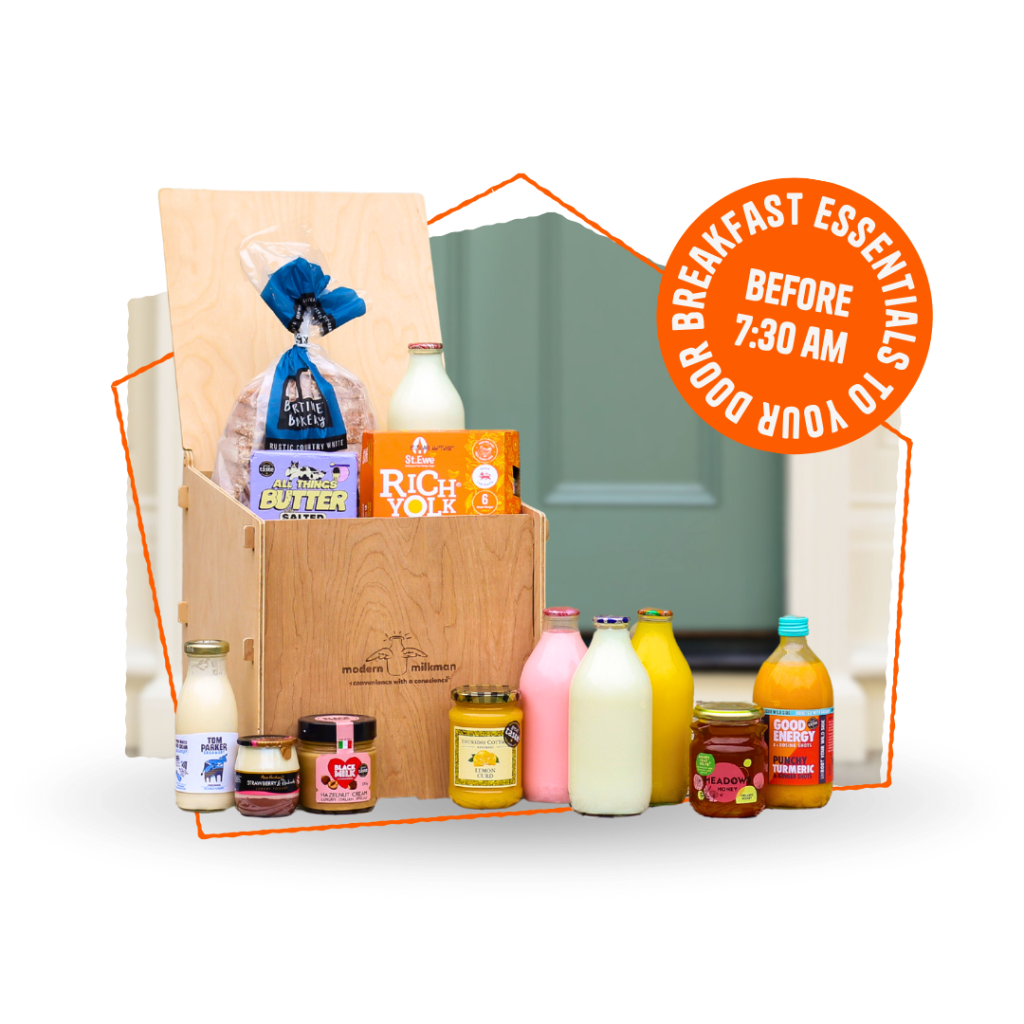
- Swapping plastic containers for glass-bottled milk and home-compostable, paper-wrapped baked goods
- Using refillable cleaning products
- Repairing goods rather than replacing them
- Buying and selling used goods
- Cooking waste free recipes
2. Get involved in rewilding
Human habitats aren’t the only ones that need protection. 41% of UK species are in decline (RSPB), with native woodland covering less than 3% of our land (Woodland Trust).
Rewilding helps to restore biodiversity and environmental balance. And it’s so easy to do!
3. Reduce your reliance on fossil fuels
Transport produces over a quarter of the UK’s emissions, with 91% coming from road vehicles. Walking, cycling and cutting down on short, unnecessary drives will massively reduce your carbon footprint.
4. Buy local
Who doesn’t love a good local? This doesn’t just mean your nearby watering hole, though.
Living sustainably means buying from a variety of local businesses, swapping the hefty emissions of international couriers with the very best your neighbours and community members have to offer. And it means supporting your local community members too!
5. Volunteer in your local community
Sustainable development is defined as building something that helps both you and future generations. Protecting the environment is a key part of this, but it also involves many other aspects, like education, health, job opportunities, and the economy.
Volunteering is a great way to:
- Make a difference in building a sustainable future
- Play an active role in your local community
- Meet new people
- Gain new skills, knowledge and experience
Fancy getting involved? Check out the Government’s volunteering guide!
Little changes with a big impact
If you’ve been inspired by World Habitat Day, consider making little sustainable switches every day. And with our doorstep milk delivery, it’s never been easier! Get started today and create up to three repeat weekly orders to get our scrumptious fresh produce delivery straight to your doorstep right in time for your morning brew. We’re right with you to tackle the waste crisis, one milk bottle at a time.